
This episode of Black. Girl. Iowa. felt different. It felt bigger than just a conversation between friends. It was about protecting our stories, uplifting Black women in medicine, and reclaiming space where we’ve historically been overlooked.
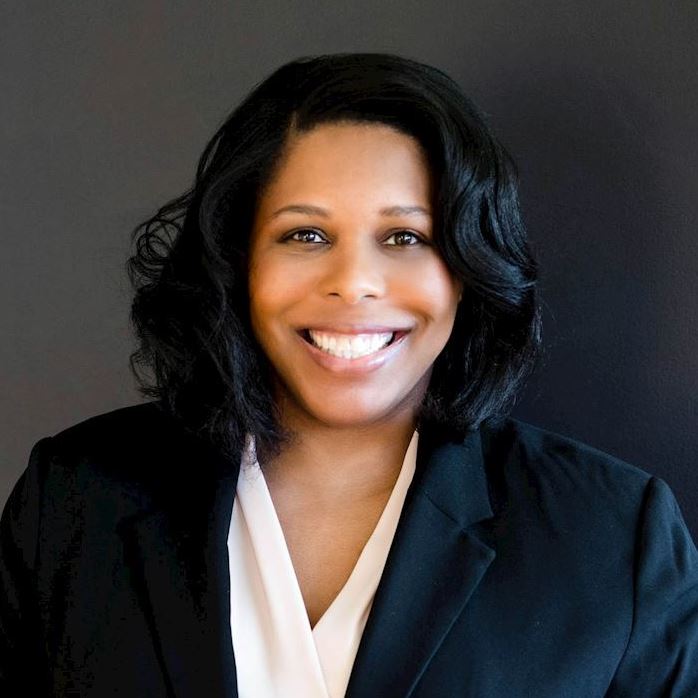
I had the incredible honor of sitting down with my lifelong friend, Dr. Wanakee Carr, the only Black woman currently practicing as an OB-GYN in Central Iowa. We laughed (a lot), reflected on our shared history, and celebrated how far she’s come in her journey. But before we dove into her story, I had to address something important—something that speaks to the mission of this podcast.
Passing vs. Presenting: Why Language Matters
A little backstory. After my last episode with Tatum Clayburn, someone told me they believed Tatum was “white-passing.” And while I know this person wasn’t trying to be malicious, the comment stung. Because it missed something vital about identity and representation.
So, I want to make sure we’re clear.
- Passing: According to the New Brighton DEI glossary, passing refers to the perceived membership in a dominant social group (often unintentionally or intentionally), resulting in privilege for the person from a marginalized group. In the context of race, someone who is Black but can “pass” as white may be perceived as white by society and may choose to identify that way to avoid discrimination. The key here is denial of their marginalized identity for survival or privilege.
- Presenting: This is simply how others perceive you based on outward appearance—skin tone, hair texture, features, etc. Someone might present as white because of their complexion, but that does not mean they are denying their identity.
In Tatum’s case? She presents as white but identifies as a Black woman. She acknowledges her biracial heritage—her Black mother, her upbringing, her experience. There’s no denial of who she is. And it’s important we honor that.
“When someone shares their truth on this platform, my job as a host—and as a friend—is to protect that.”
This isn’t just about semantics. It’s about respecting people’s lived experiences. It’s about listening, even when it’s uncomfortable or unfamiliar. And if we’re going to build allyship, especially across racial lines, that’s where we have to start.
Dr. Wanakee Carr: A Story of Authentic Excellence
After laying that groundwork, I couldn’t wait to introduce y’all to Dr. Wanakee Carr. But to really appreciate her journey, you need to understand that our friendship goes way back—from battling each other for student body secretary in high school (she won, of course 😅), to navigating love, loss, grad school, and now adulthood together.
Wanakee’s resume is stacked:
- Roosevelt High School alum (2004), three-sport varsity athlete
- University of Iowa grad (2009), Bachelor’s in Biology
- Medical degree from the Carver College of Medicine (2014)
- Residency at University of Kansas Medical Center
- Now a practicing OB-GYN at the Iowa Clinic in West Des Moines
But what makes her story powerful isn’t just her accomplishments—it’s the path she took to get there.
Navigating Barriers in Education: Seen But Overlooked
Wanakee opened up about how even as a high-achieving student in Des Moines Public Schools, she was overlooked for opportunities.
“I was the one grading everyone’s papers—but I wasn’t moved up. I was doing the work. I was the work.”
She excelled in middle school, finishing assignments in record time, teaching herself new concepts at home—but still wasn’t recommended for advanced classes. Her white peers, who performed below her academically, were given opportunities she was denied.
This wasn’t an isolated incident. It’s a pattern that shows up in school systems across the country, where Black excellence is too often overlooked. And that kind of systemic bias makes it harder for Black students to reach their full potential.
Her experience mirrors what I’ve heard from other guests—Dionne Siyavora, Dawniece Lewis, Shanice Whitney—all faced similar barriers. Black girls excelling in the classroom, yet being told “you’re not ready.” But they were ready. And they are ready.
“It baffles me how much extra work Black women have to do to get half the credit.” — Emili Johnson
The Road to Medicine: Blocking Out the Noise
Despite these setbacks, Wanakee pushed forward. She chose science, pursued research, and realized that patient care was where her heart truly was.
But even in college, the doubters showed up.
“Your grades aren’t good enough.”
“You should consider another career.”
Sound familiar? Too many Black women in STEM hear these words. But Wanakee tuned out the noise. She knew she belonged in medicine. And she stayed the course—even when it meant long nights in the library, taking the MCAT multiple times, or missing social events while others were out enjoying life.
“I was the queen of the B-pluses. But I knew I had what it takes.”
Her journey through medical school and residency wasn’t just about textbooks and exams. It was about perseverance. About believing in herself even when others didn’t. About knowing that her purpose was bigger than their doubts.
Representation in Medicine: Why It Matters
Let’s talk about the power of representation. Wanakee shared that she’s never had a Black doctor herself. Think about that for a second. A Black woman practicing medicine, serving her community, but never having the chance to experience that same reflection in her own care.
That’s why it means so much when patients see her. The recognition. The joy. The relief.
“Your hair looks like mine.”
“I wasn’t expecting you—but I’m so glad you’re here.”
These moments matter. They remind us that representation isn’t just symbolic—it’s transformational. It builds trust. It saves lives. And in a field where Black women face some of the worst health outcomes (hello, maternal mortality rates), having a doctor who looks like you, understands you, and advocates for you is everything.
Reflection: The Power of Protecting Stories and Uplifting Voices
This episode reinforced so many truths for me:
- Protect Black stories: Whether it’s about race, identity, or lived experience, we need to honor and respect the narratives shared with us. We don’t get to debate someone else’s reality.
- Representation matters: Wanakee is one of one—the only Black woman OB-GYN in Central Iowa. Her presence is a beacon for the next generation of Black girls dreaming of medicine.
- Perseverance pays off: Despite systemic roadblocks, Wanakee pushed forward. Her story is proof that we belong in every room.
“I hope that when young Black girls hear her story, they see what’s possible.”
Because that’s what Black. Girl. Iowa. is about—showing what’s possible.
Want More Black. Girl. Iowa?
🎧 Listen to the Podcast
Catch Wanakee’s episode on Spotify, Apple Podcasts, Amazon Music, and YouTube. Each episode shares powerful stories, real conversations, and authentic Black voices from Iowa.
🛍 Shop the Merch
Show your love for the podcast and represent the movement! Visit the Black Girl Iowa Etsy Shop to grab tees, journals, and more.
📲 Follow & Connect
Join the community on Instagram and TikTok: @blackgirliowa.
Visit the blog and explore more content at www.blackgirliowa.com.
💬 Subscribe, Rate, and Review
If the podcast has inspired or moved you, let the world know. Don’t forget to subscribe, leave a review, and share with a friend!
 Black. Girl. Iowa.