
I’m back into the swing of things for reading! As I prepped for an interview with author Courageous Fire, I took the time to read her book, This is for the Other Child: The Forgotten Sibling in Families of Child Sexual Abuse. This powerful work delves into the often-overlooked experiences of siblings who live in the shadow of abuse, and it offers profound insights into the emotional toll that such family dynamics can impose. Here’s a summary of the book.
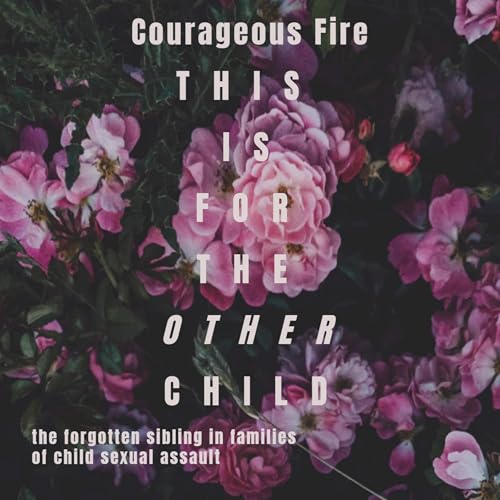
This is for the Other Child by Courageous Fire delves into the emotional turmoil experienced by siblings of abuse victims. Through her personal story, Fire highlights the mental struggles of feeling inadequate and the quest for validation in a family affected by sexual assault. The book emphasizes the often-ignored experiences of the “forgotten” sibling, offering insight into the complexities of love, loss, and healing. It serves as a powerful reminder that the impact of trauma extends beyond the victim, affecting family dynamics and individual identities.
This book is a poignant exploration of the often-overlooked emotional landscape experienced by siblings of those who endure the trauma of sexual abuse. The author bravely shares her personal narrative, illuminating the pain, love, and complexities that arise within families affected by such unimaginable circumstances.
What sets this book apart is Fire’s unique perspective as the sibling who did not physically suffer the abuse but grappled with the mental toll it took on her sense of self-worth. She candidly reveals the internal battles of feeling inadequate and the relentless quest for validation from those who should have provided unconditional love and support. This honest portrayal resonates deeply, as it sheds light on the silent struggles of many who find themselves in similar familial dynamics.
Fire’s writing is both raw and reflective, prompting readers to confront their own childhood experiences and the lingering effects of trauma, even if they weren’t the direct victims. The book serves as a powerful reminder that the ripple effects of abuse extend far beyond the immediate victim, impacting siblings and family members in profound ways.
One of the most valuable lessons from this book is the importance of redirecting focus onto oneself, allowing for healing and self-acceptance. Fire encourages readers to grant themselves grace and recognize their worth, regardless of their circumstances. This message of self-love is crucial, especially for those who may have felt overshadowed or forgotten in the wake of another’s suffering.
Overall, This is for the Other Child is a compelling read that offers both insight and solace. I highly recommend not only reading but also listening to this book, as Fire’s voice adds an additional layer of intimacy to her already impactful narrative. It’s a call to acknowledge and embrace the complexity of our emotions and to give ourselves the unconditional love we all deserve.
Stay Connected with Black. Girl. Iowa.
Want to be part of the Black. Girl. Iowa. journey? Here’s how you can stay connected and support the movement:
📱 Follow along on social
Join the conversation and community on Instagram and TikTok @blackgirliowa
🛍️ Shop the BlackGirlIowaShop
Explore journaling kits, merch, and creative tools designed to inspire: Visit my Etsy store
🎧 Tune in to the podcast
Listen wherever you stream—Spotify, Apple Podcasts, Amazon Music, iHeartRadio, Pandora, or YouTube. Just search Black. Girl. Iowa.
✉️ Subscribe to the blog
Get reflections, updates, and new stories delivered straight to you: www.blackgirliowa.com
 Black. Girl. Iowa.